
Oil Services
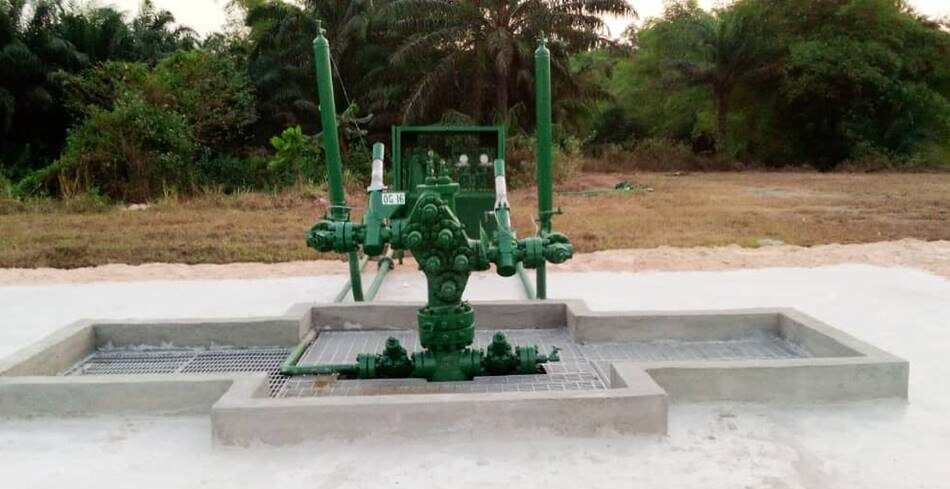
Inside a wellhead facelift: restoring Lot 6 wells in OML 26
How our crew planned, cleaned, blasted and recoated ageing wellheads without interrupting production — and what operators should look for before corrosion becomes a shutdown.
Wellheads are the most visible part of a producing field, and the part that takes the most punishment from the Delta climate: heat, humidity, salt-laden air and constant rain. When paint systems fail, corrosion spreads quickly under the surface and valves, flanges and gauges become hard to operate safely.
Planning around production
On the Lot 6 wells we worked to a sequence agreed with the operator, so each well was isolated, cleaned and recoated in turn while the rest of the field kept producing. Permit-to-work, gas testing and barricading were in place before any tool touched a wellhead.
Surface preparation is everything
Most coating failures start with poor preparation. Our team removed loose rust and old paint, abrasive-blasted the steel to the specified profile and checked surfaces before priming. Only then were the primer, intermediate and finish coats applied within their recoat windows.
What operators should watch for
- Blistering or flaking paint around flanges and bolt heads\n- Rust staining running down from valve bodies\n- Gauges and nameplates that can no longer be read\n- Stiff or seized valve handwheels
Catching these early keeps a facelift a planned maintenance job rather than an emergency repair.